

Cappadocia Travel Guide 2026: Fairy Chimneys & Balloon Rides
What does it actually feel like to stand in a place where volcanic eruptions, wind, and rain spent millions of years sculpting stone into shapes that don't look real?
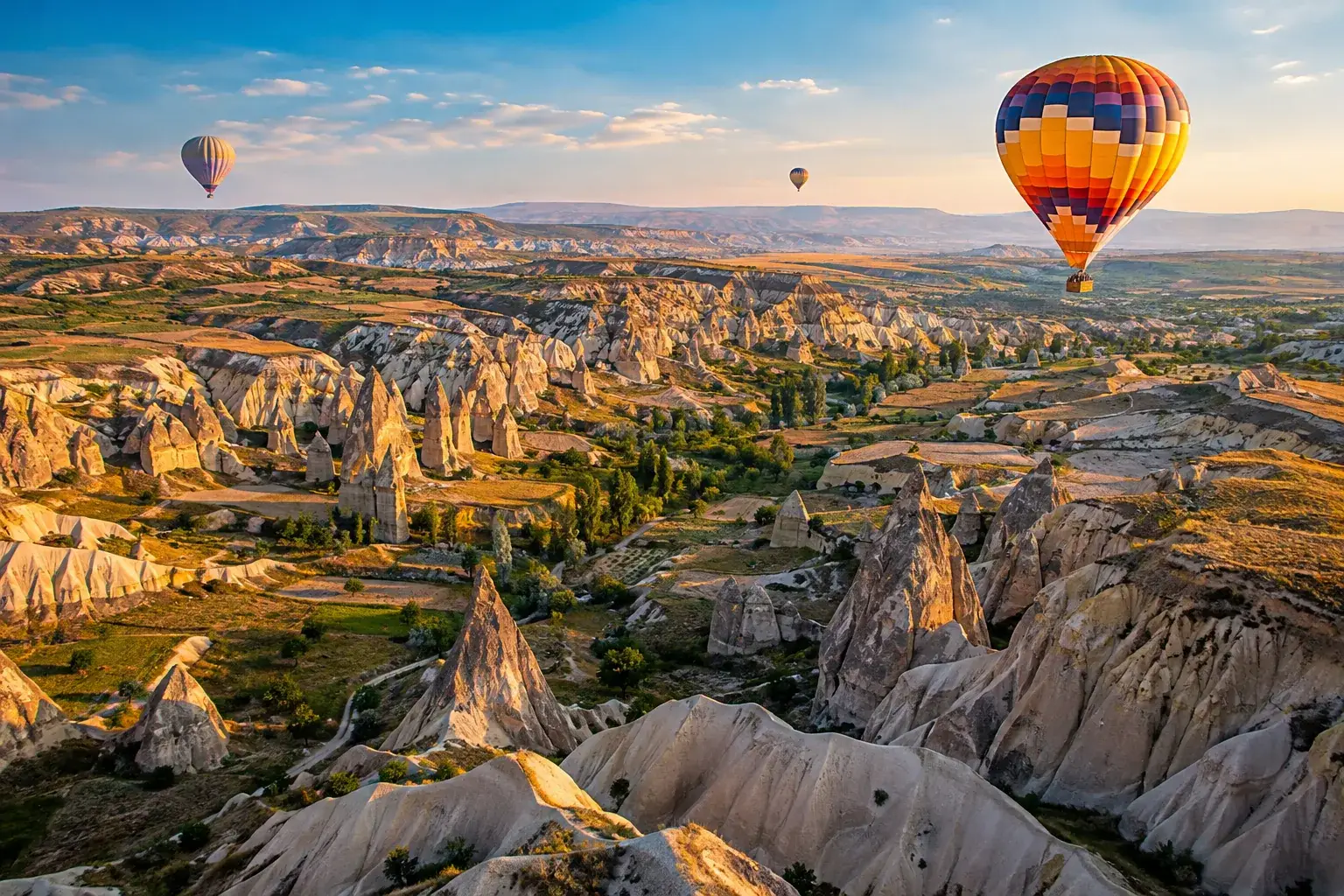
The first time you see Cappadocia's fairy chimneys catching the amber light of a 5:30 a.m. sunrise, your brain does something strange. It stops trying to categorize what it's seeing. These towering rock pillars, honeycombed cliffs, and cave dwellings carved into soft tuff don't fit any mental template you've built from other trips. That disorientation is the whole point. Designated a UNESCO World Heritage Site in 1985, this pocket of central Turkey's Anatolia region was born from the eruptions of Mount Erciyes and Mount Hasan, then carved into its current alien form by millennia of erosion. Over 4.52 million visitors came to see it for themselves in 2025, according to Turkish tourism data.
This guide covers the practical details that most travel blogs skip or get wrong: how to actually reach Cappadocia, which color-coded tour route fits your interests, realistic day-by-day itineraries, where to sleep, and what things genuinely cost in 2026.
Cappadocia sits in Nevşehir province, roughly equidistant from Istanbul and Turkey's Mediterranean coast. Pronounce it "kap-uh-DOH-shuh" and you'll sound like you've been before.
Where Is Cappadocia and How Do You Get There?
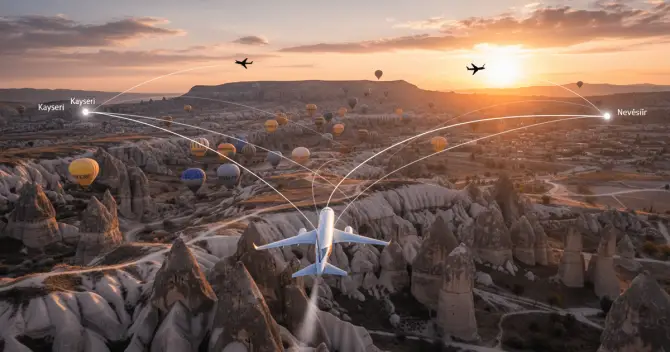
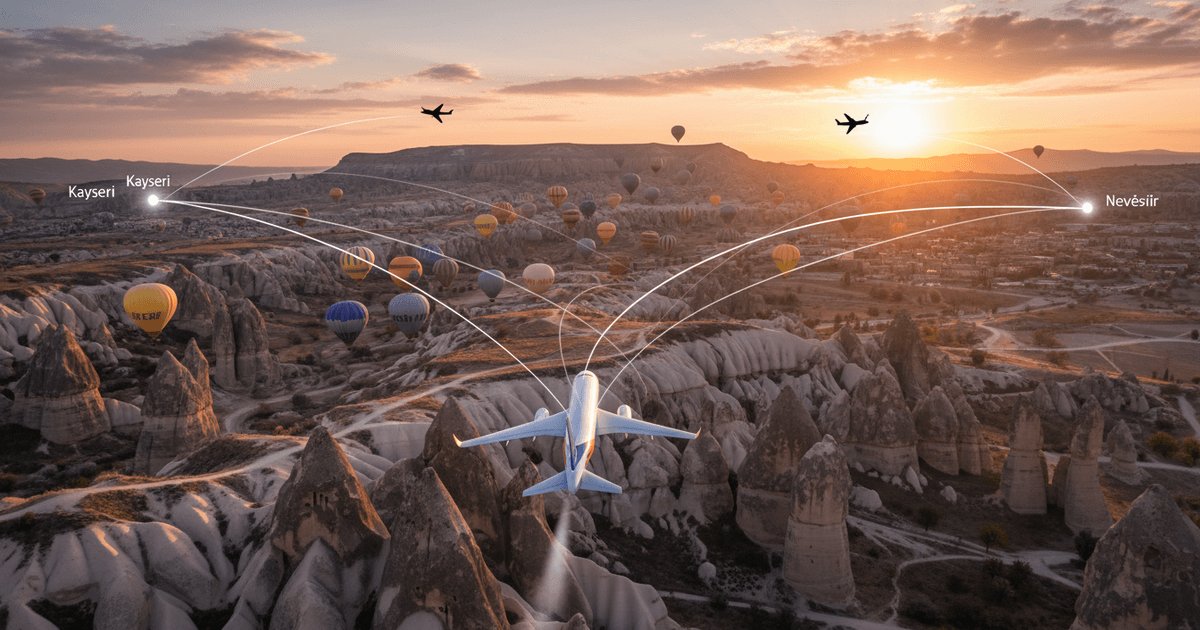
Cappadocia sits in central Anatolia, Turkey, served by two airports: Kayseri (ASR, 75-minute drive) and Nevşehir (NAV, 40-minute drive), with 1.5-hour flights from Istanbul.
Most first-time travelers picture Cappadocia as somewhere remote and hard to reach. It isn't. The region sits almost dead center in Turkey, about 730 km southeast of Istanbul and roughly the same distance northeast of Antalya on the Mediterranean. Two airports put you within an hour's drive of the main towns:
- Kayseri Erkilet Airport (ASR): Larger airport with more flight options, approximately 75 minutes by road to Göreme. Turkish Airlines and budget carriers like Pegasus run multiple daily routes from both Istanbul airports.
- Nevşehir Kapadokya Airport (NAV): Smaller but closer, about 40 minutes to Göreme. Fewer daily flights, but the shorter transfer makes a real difference if you're arriving late.
- Bus from Istanbul: Overnight coaches take 10 to 11 hours and cost a fraction of flights. Not glamorous, but the seats recline fully and buses depart from Istanbul's main otogar nightly.
- Bus from Ankara: A more manageable 4 to 5 hours, making Cappadocia an easy add-on to a capital city visit.
Once you land, airport shuttle services run coordinated transfers to all major towns. Göreme is where most travelers base themselves because it's walkable, packed with cave hotels at every price point, and central to nearly every attraction. Ürgüp draws couples and wine lovers with its boutique properties and calmer streets. Uçhisar, perched on the region's highest point, trades convenience for panoramic views that stretch across the entire valley.
If you're flying in for a sunrise balloon ride, book a flight arriving the evening before. NAV's shorter transfer time gives you an extra hour of sleep, which matters when your alarm goes off at 4:45 a.m.
What Are the Must-Do Experiences in Cappadocia?
Cappadocia's top experiences include sunrise balloon flights, Göreme Open Air Museum's Byzantine frescoes, Derinkuyu's eight-level underground city, and valley hikes through fairy chimney formations.
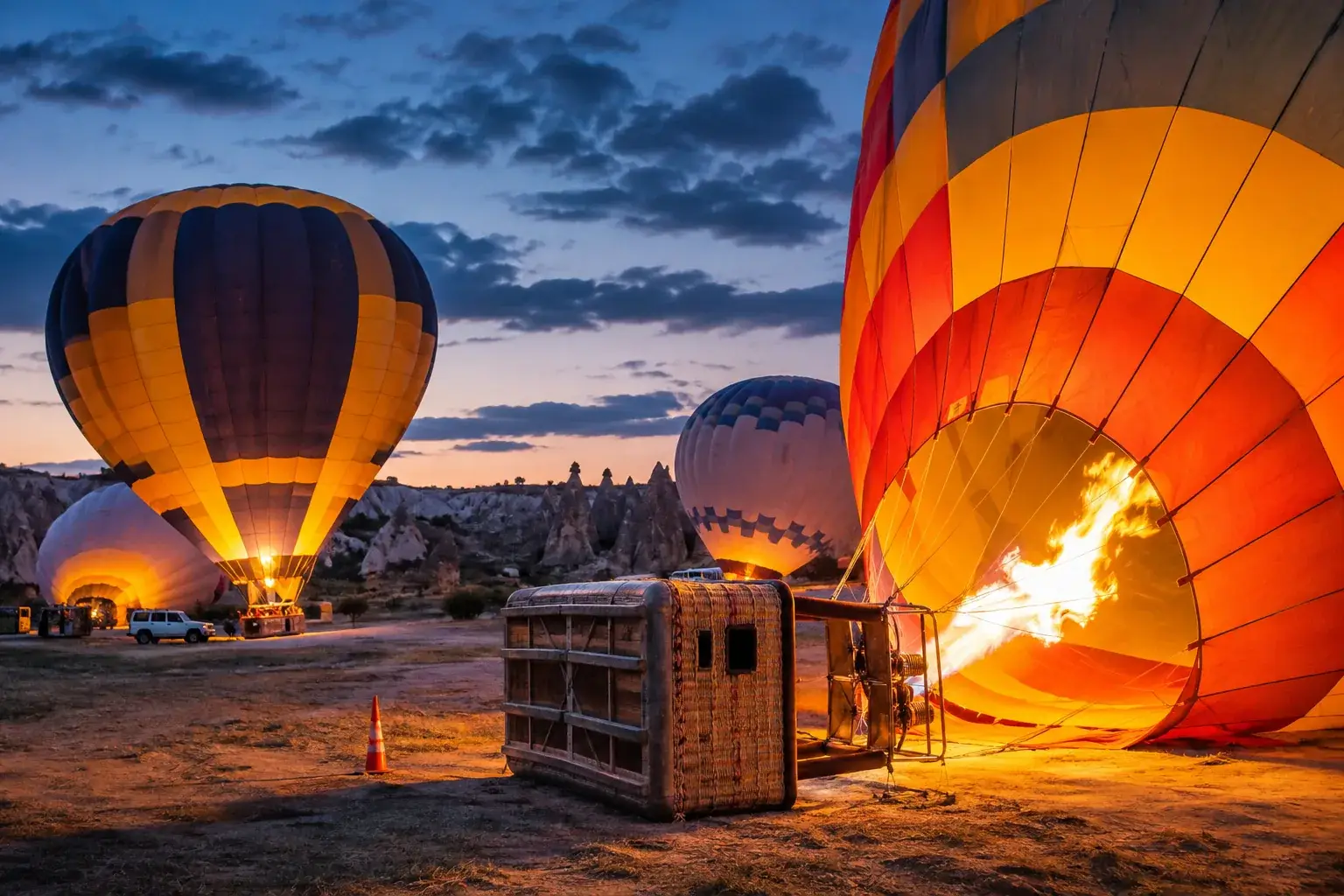
The sunrise balloon ride is the experience that put Cappadocia on every bucket list, and the numbers back it up: over 750,000 travelers floated above the valleys in 2025 across 223 flight days and roughly 29,479 individual take-offs. Flights last about an hour, launch just before dawn, and cost between €150 and €300 per person depending on whether you choose a Standard basket (20 to 28 passengers) or a Premium, smaller-group flight. Book at least two to three weeks ahead for the 2026 season. Slots fill fast, especially between April and October.
Göreme Open Air Museum pulled in over 1.18 million visitors in 2025 alone. The rock-cut churches inside contain Byzantine frescoes dating back to the 10th and 11th centuries, their colors still startlingly vivid against the dark volcanic stone. Budget at least 90 minutes here; rushing through means missing the smaller chapels tucked into the cliff face.
Then there's the underground. Derinkuyu descends eight levels into the earth and once sheltered more than 20,000 people from invaders, complete with ventilation shafts, wine cellars, and a subterranean church. The claustrophobic passages on the lower levels aren't for everyone, but they're the most viscerally memorable part of any Cappadocia trip.
Beyond the headline attractions, the valleys reward travelers who slow down. Rose Valley turns copper and pink as the sun drops. Love Valley's towering fairy chimneys are as surreal in person as they look in photos. ATV tours and horseback rides through these formations at golden hour offer a perspective you simply can't get on foot. For something quieter, Avanos (the region's ceramics capital) runs hands-on pottery workshops where you shape the same red clay that local artisans have worked for centuries. If you're exploring Cappadocia's full range of activities, a Turkish Night dinner show or a Whirling Dervish Sema ceremony adds a cultural layer that rounds out the adventure side of the trip.
How Should You Choose Between the Red Tour, Green Tour, and Mix Tour?
Cappadocia's color-coded day tours cover entirely different geography: Red explores northern volcanic formations, Green covers southern canyons and underground cities, and Mix combines both.
This color-coding system is unique to Cappadocia. No other destination in Turkey organizes its tours this way, and it exists because the region's attractions cluster into geographically distinct zones that can't be combined into a single day without cutting corners.
| Feature | Red Tour | Green Tour | Mix Tour |
|---|---|---|---|
| Region Covered | Northern Cappadocia | Southern Cappadocia | North and South combined |
| Key Highlights | Love Valley, Paşabağ fairy chimneys, Devrent Valley, Zelve Open Air Museum | Ihlara Valley hike, Kaymaklı underground city, Narlı Lake, Pigeon Valley | Love Valley, Derinkuyu underground city, Paşabağ, Uçhisar Castle |
| Best For | First-time visitors, photography lovers | History buffs, hikers, nature lovers | Travelers with only 1 full day |
| Duration | Full day (approx. 9:00-17:30) | Full day (approx. 9:00-18:00) | Full day (approx. 9:00-18:00) |
| Difficulty Level | Easy, mostly flat walking | Moderate, includes a valley hike | Moderate |
| Lunch Included | Yes | Yes | Yes |
Most travel blogs say "just pick one tour if you're short on time." That advice misses something important. The Red and Green routes don't share a single stop. Northern Cappadocia's volcanic spires and surreal rock formations feel like walking on another planet, while the southern route plunges you into a 14-km river canyon at Ihlara and deep underground at Kaymaklı. These are geologically distinct experiences, not variations of the same thing. Doing only one means missing roughly half of what makes the region a UNESCO site.
If you genuinely have just one day, the Mix Tour compresses the greatest hits into a single private itinerary with a guide, vehicle, and lunch included. Two days with separate Red and Green tours gives each landscape the breathing room it deserves.
What Does a 2-Day and 3-Day Cappadocia Itinerary Look Like?
A well-structured Cappadocia itinerary needs a minimum of two full days, with three days allowing sunrise flights, both tour routes, and evening cultural experiences.

Schedule your balloon flight for the very first morning. If weather grounds the balloons (it happens, especially in winter and early spring), you'll still have backup mornings to rebook. Travelers who save the flight for their last day often leave without flying at all.
The 3-day version below gives each experience proper time. For two days, combine Day 1 and Day 3, dropping the middle day's standalone exploration.
| Time of Day | Day 1 | Day 2 | Day 3 |
|---|---|---|---|
| Early Morning (5:00-8:00) | Sunrise balloon flight over fairy chimneys | Sleep in, or catch sunrise from Uçhisar viewpoint | Free morning for photos with balloon backdrop |
| Morning (9:00-12:00) | Göreme Open Air Museum (Byzantine frescoes) | Red Tour begins: Devrent Valley, Paşabağ | Green Tour begins: Ihlara Valley hike |
| Afternoon (13:00-17:00) | Hike Rose Valley for sunset-colored rock layers | Red Tour continues: Zelve, Love Valley | Underground city visit, Pigeon Valley overlook |
| Evening (18:00-21:00) | Sunset at Rose Valley viewpoint | ATV or horseback ride through valleys at golden hour | Pottery workshop in Avanos, then Turkish Night dinner |
April through June and September through October deliver the best conditions: mild temperatures in the low 20s Celsius, clearer skies for balloon flights, and manageable crowds. July and August bring heat above 35°C but also longer daylight hours and a festive energy in Göreme's streets. Winter (December through February) is the wild card. Snow dusting the fairy chimneys creates landscapes that look straight out of a fantasy novel, and you'll share the trails with almost no one. Balloon flights are less frequent in winter, so build in extra flexibility if you visit then.
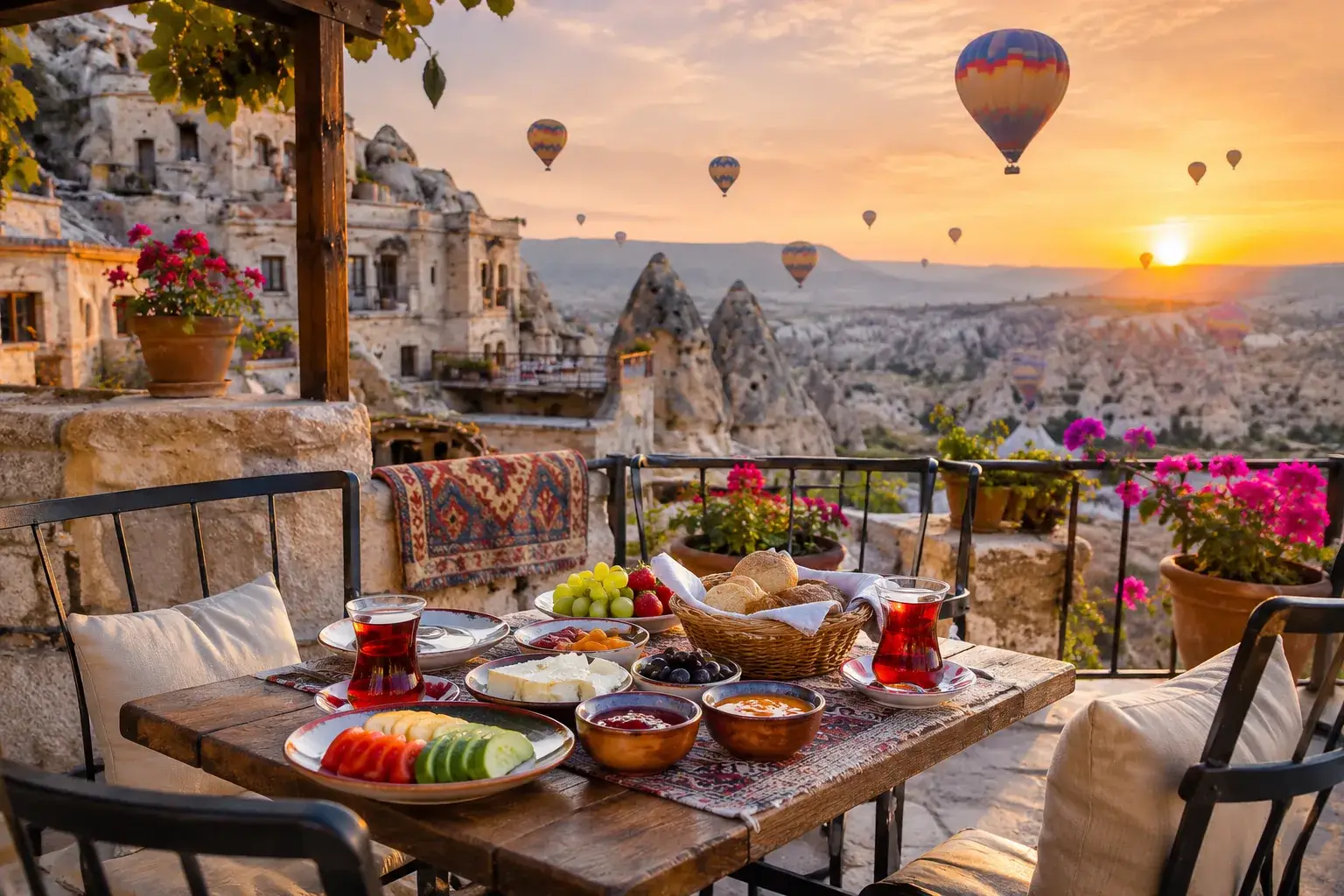
One thing most trip reports skip: the 30-minute window between your balloon landing and the start of a morning tour is tight. Eat breakfast before the flight (most hotels serve it as early as 4:30 a.m. during balloon season), and you won't spend your first tour stop hungry instead of amazed.
How Much Does a Cappadocia Trip Actually Cost in 2026?
A three-day Cappadocia trip costs roughly €300 for budget travelers and €1,200 or more for luxury, with balloon rides and cave hotels as the biggest expenses.
Most travelers underestimate food costs and overestimate activity prices. A pottery kebab (the regional must-try, slow-cooked in a sealed clay pot cracked open at your table) runs about €8 to €12 at a sit-down restaurant. Breakfast is often included with cave hotel stays, which means your daily meal budget can stay comfortably between €15 and €30 if you eat where locals eat.
| Expense Category | Budget Estimate | Mid-Range Estimate | Luxury Estimate |
|---|---|---|---|
| Accommodation (per night) | €40-€80 | €80-€150 | €150-€400+ |
| Hot Air Balloon Ride | €150 (Standard basket) | €200 (comfort basket) | €250-€300 (Premium, small group) |
| Guided Day Tour | €30-€60 (group) | €60-€100 (small group) | €100-€200+ (private) |
| Meals (per day) | €15-€20 | €20-€35 | €40-€60 |
| Activities (ATV/Horse/Jeep) | €35-€50 | €40-€60 | €60-€80 |
| Airport Transfer | €10-€15 (shared shuttle) | €25-€40 (small van) | €50-€80 (private car) |
| 3-Day Total (per person) | €300-€450 | €600-€900 | €900-€1,200+ |
Booking your balloon ride, day tours, and adventure activities as a bundled package through a local operator like Tatildokya typically saves 15 to 20 percent compared to reserving each separately. That discount alone can cover an extra ATV ride or horseback trek through the valleys.
Yakup Dinler, Secretary-General of Türkiye Hoteliers Federation, has noted that average per-tourist spending in Cappadocia exceeds every other region in Turkey. That tracks with what the pricing table shows: even budget travelers spend more here than in Istanbul or Antalya because the signature experiences (balloon flights, cave hotel stays) don't have a rock-bottom tier. The upside is that the quality floor is genuinely high.
Where Should You Stay in Cappadocia?
Cappadocia's four main base towns each suit a different travel style, with cave hotels in every price range and rooftop terraces offering sunrise balloon views.

The villages look close together on a map, but the atmosphere shifts dramatically between them. Ürgüp feels like a small wine town in southern France, with cobblestone streets, tasting rooms, and upscale restaurants where locals linger over dinner. It's quieter and more polished, though you'll need a short taxi or dolmuş ride to reach the major sites.
Ortahisar is the pick nobody talks about. This emerging alternative has an authentic village pace, a towering rock castle that rivals anything in the region, and nightly rates that run 20 to 30 percent below comparable rooms elsewhere. Fewer crowds, genuine neighborhood bakeries, and a growing handful of beautifully restored cave guesthouses make it ideal for repeat visitors or anyone who finds the main tourist hubs a bit too busy.
Whichever town you choose, prioritize one thing above all else: a rooftop terrace. Even if you don't fly in a balloon yourself, watching dozens of colorful balloons rise over the fairy chimneys at dawn from your hotel terrace is one of Cappadocia's most memorable free experiences. Terrace rooms book out weeks in advance during peak season (April through June, September through October), so reserve early.
Frequently Asked Questions About Cappadocia Travel
How many days do you need in Cappadocia?
Two full days is the functional minimum: one for a balloon flight and the northern route, one for the southern canyon and underground city circuit. Three days lets you add valley hikes, adventure activities like ATV rides, and an unhurried pottery kebab dinner. Four to five days is ideal if you want to photograph sunrise from multiple viewpoints or spend a half-day horseback riding through the volcanic terrain.
When is the best time to visit Cappadocia?
April through June and September through October. Temperatures hover between 15°C and 25°C, and balloon flight completion rates are at their highest during these months. Summer (July and August) pushes past 30°C but draws the biggest crowds. Winter coats the fairy chimneys in snow, which is genuinely stunning, though balloon cancellations increase significantly.
Is Cappadocia safe for solo travelers and families?
Yes. It's one of Turkey's safest tourist regions, with well-lit walking paths, organized tour infrastructure, and a local population deeply accustomed to hosting international visitors.
Can hot air balloon flights get cancelled in Cappadocia?
They can. Turkey's civil aviation authority grounds all flights when wind speeds or visibility fall below safe thresholds. Cancellation rates are lowest from June through August and highest in December through February. Reputable operators offer rescheduling options, which is why booking your flight on the first morning of your trip gives you the best chance of flying before you leave.
Do you need a visa to visit Cappadocia?
Passport holders from the US, UK, Canada, and Australia can obtain an e-Visa online before arrival, typically for around $50 USD. Citizens of most EU countries enter Turkey visa-free for up to 90 days. Requirements change, so check Turkey's official e-Visa portal (evisa.gov.tr) for 2026 rules specific to your nationality before booking flights.
What is the difference between Kayseri and Nevşehir airports?
Kayseri Erkilet Airport (ASR) is larger, serves more domestic and international routes, and sits about 75 minutes from the central Cappadocia towns. Nevşehir Kapadokya Airport (NAV) is smaller with fewer flights but only 40 minutes away. Both airports have shuttle services and private transfer options to all major hotels in the region.
Ready to Experience Cappadocia?
Planning balloon rides, valley tours, and adventure activities from thousands of miles away is easier with a local team handling the logistics. Explore all Cappadocia tours and experiences and reserve your spot before peak season fills up.